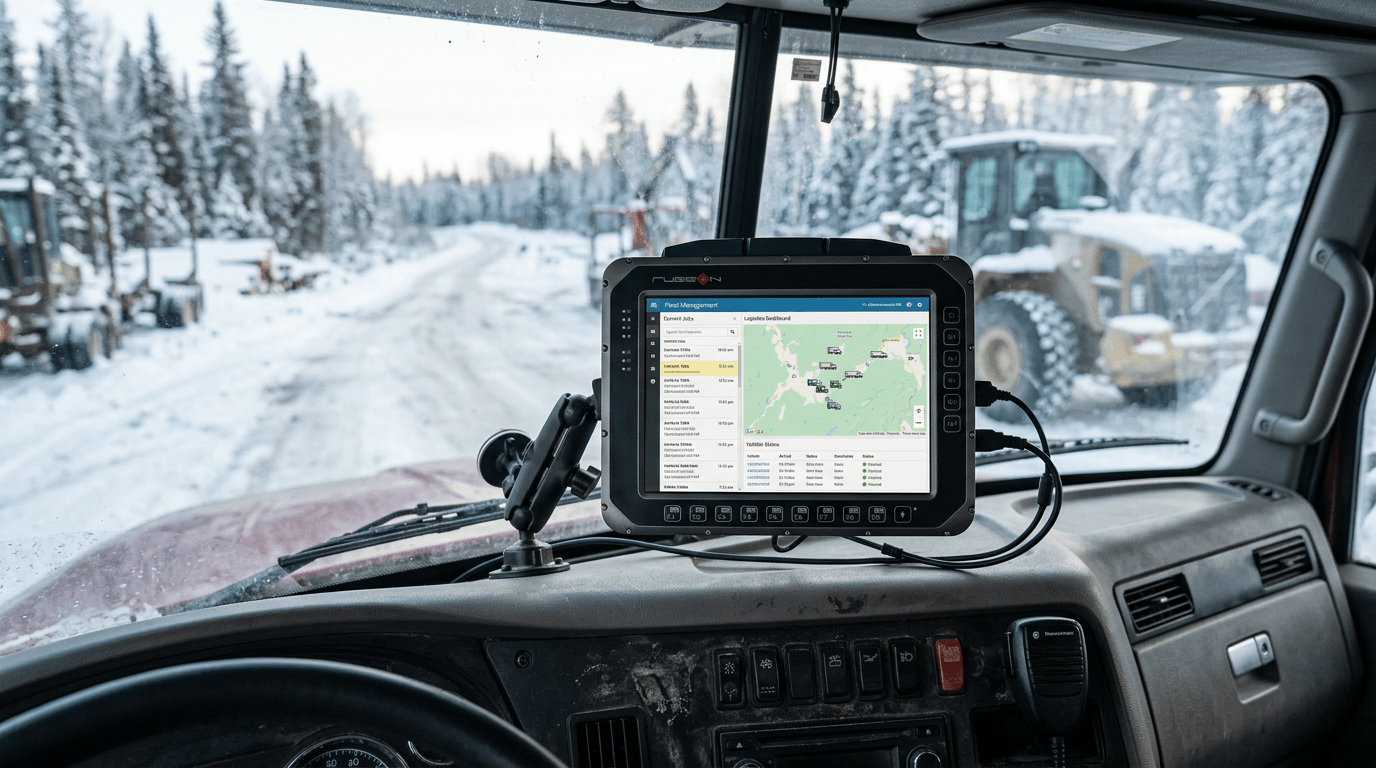
Consumer Devices Weren't Built for Your Worksite
A smartphone dropped on a concrete floor, exposed to freezing temperatures on a winter job site, or splashed with water during field operations is a business liability. Consumer-grade devices — regardless of brand or price — are engineered for office and everyday environments. They are not built to withstand the temperature extremes, vibration, dust, moisture, and physical impacts of industrial field operations. The result is frequent failures, costly replacements, lost data, and operational disruptions at exactly the moments when your team needs reliable technology the most.
What True Ruggedness Actually Means
True ruggedness is defined by three measurable standards, not marketing claims. Operating temperature range specifies the conditions under which a device maintains normal function — all Industrial One devices operate reliably from -20°C to +60°C, covering the full range of Canadian field environments. IP (Ingress Protection) rating measures resistance to dust and liquid intrusion — all devices carry a minimum IP65 rating, meaning complete dust-proofing and resistance to water jets from any direction. MIL-STD-810G certification confirms independent testing against military-grade standards for drop, shock, vibration, altitude, humidity, and extreme temperature cycling.
−30°C
IP65+
Industries across Canada depend on rugged mobile technology to maintain operational efficiency in demanding field environments: oil and gas field technicians managing remote infrastructure; mining operators monitoring equipment across active sites; forestry workers processing data in the bush; construction project managers coordinating across large sites; transportation dispatchers and long-haul drivers needing reliable connectivity; utilities crews working in all-weather outdoor conditions. In every one of these environments, device failure is not an inconvenience — it is a safety and productivity issue.
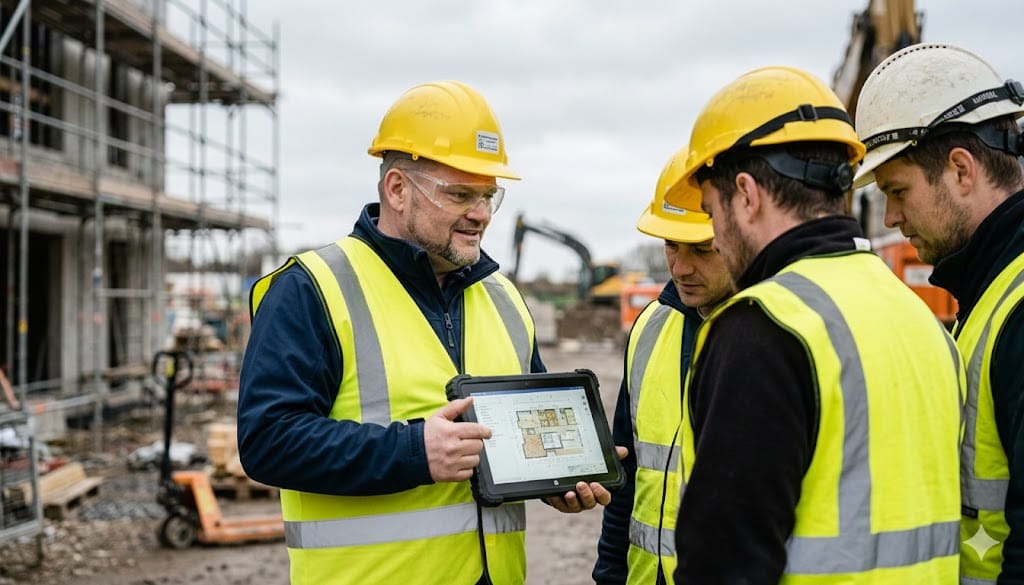
Industries That Demand Rugged Technology
The financial argument for rugged devices is straightforward. A consumer smartphone that survives 12 months on an industrial worksite before failing — requiring replacement, data migration, and productivity downtime — carries a far higher total cost of ownership than a purpose-built rugged device that operates reliably for three to five years in the same environment. Industrial One conducts deep market research and independent testing of rugged devices specifically for North American industry standards, ensuring every solution we recommend delivers the durability and longevity that justify the investment.
The True Cost of Using Consumer Devices in the Field
- Operates reliably from -30°C to +60°C across all Canadian field environments
- IP65+ rated — fully dust-proof and resistant to water jets from any direction
- MIL-STD-810G certified for drop, shock, vibration, and extreme temperature testing
- 3 to 5 year field lifespan vs. 12 months average for consumer-grade devices
- Higher upfront cost than consumer devices requires a total cost of ownership analysis
- Heavier and larger form factor — not designed for casual or everyday consumer use
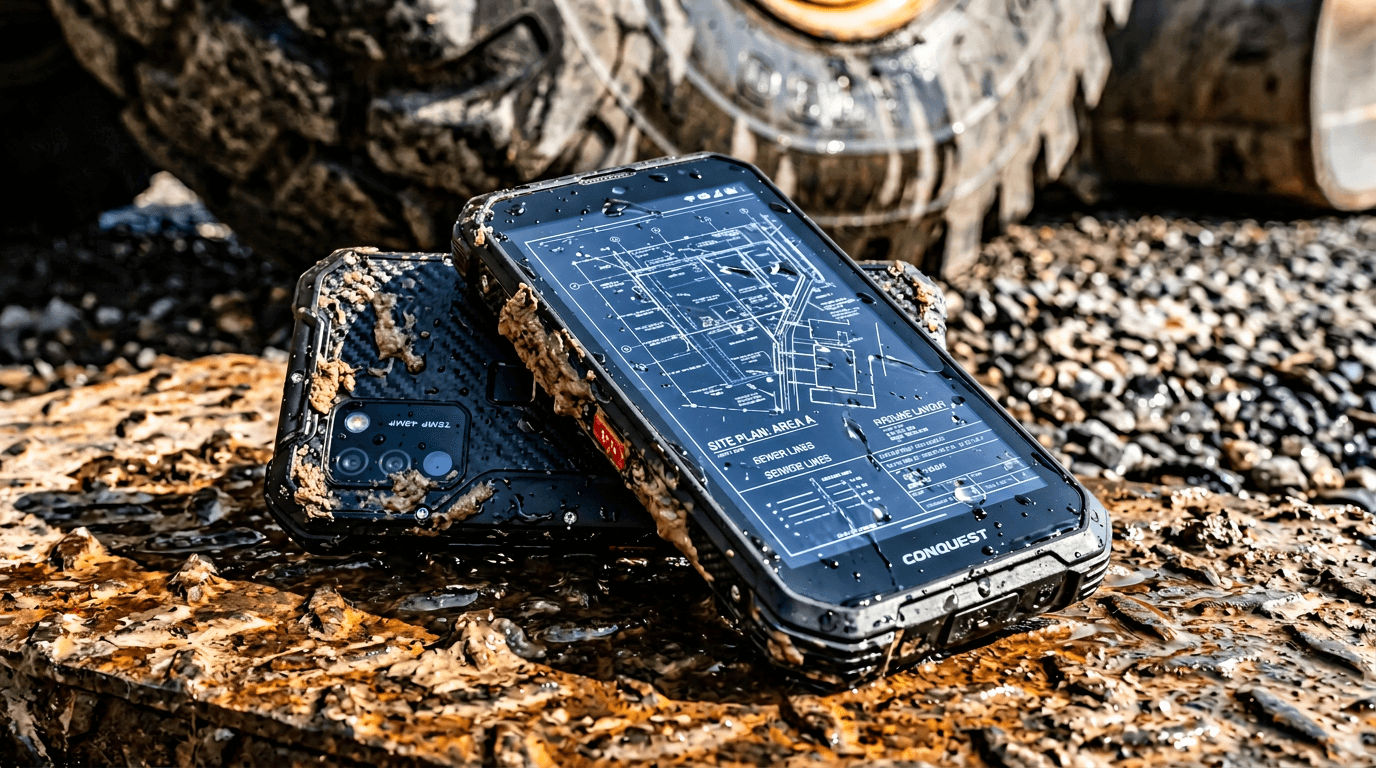
Built for Where You Actually Work
Industrial One has been supplying rugged computers, tablets, and smartphones to Canadian industrial operations since 2018. We source and test devices across the full range of rugged form factors — from handheld smartphones to vehicle-mounted terminals and full-size rugged laptops — matching the right technology to the specific demands of your environment and workflow. Contact us to discuss your field technology requirements.